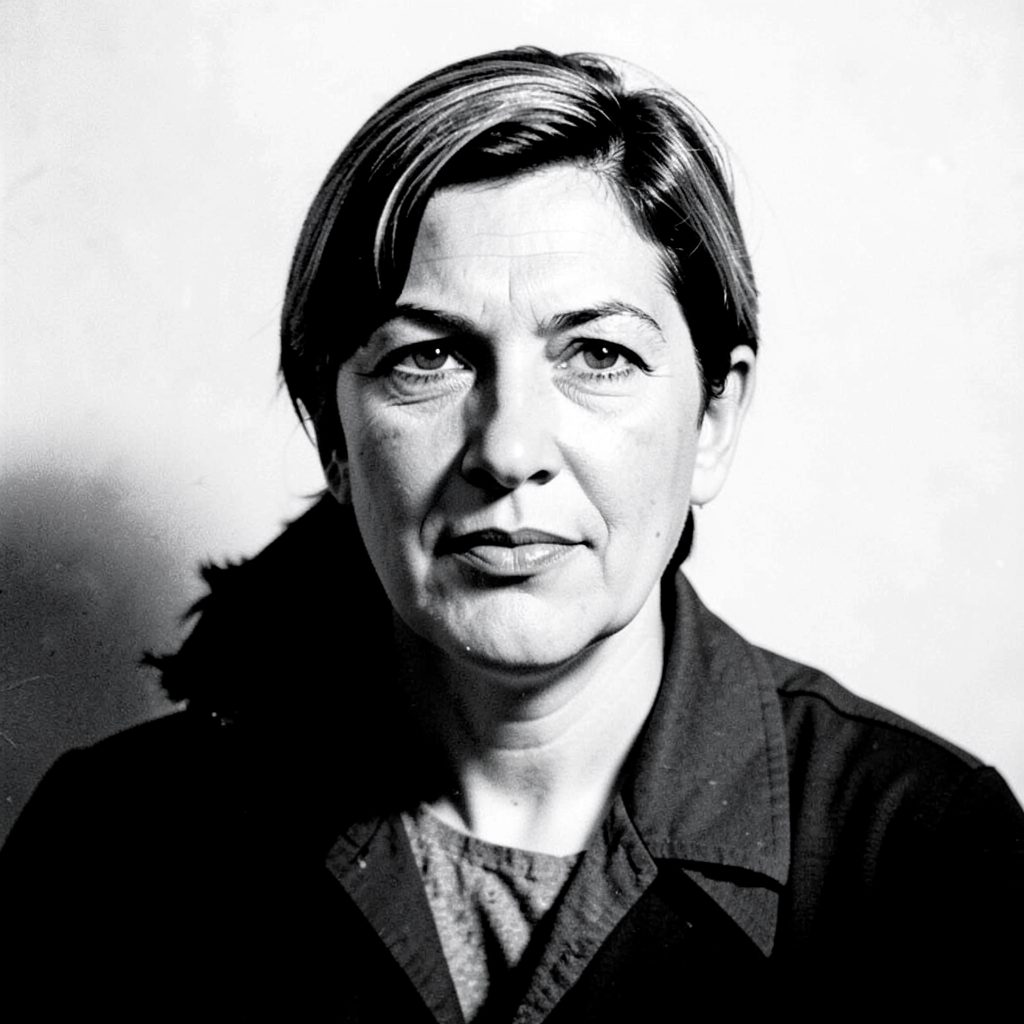
Body language that builds authority and self-assurance
Strong body language is one of the fastest ways to change how others perceive you and how you feel about yourself. For high-performance women, the way you stand, move and gesture can either reinforce your expertise or quietly undermine it. Australian workplaces, from Sydney boardrooms to Brisbane tech hubs, increasingly reward presence as much as performance. When your nonverbal cues communicate authority, your words carry more weight and your ideas land with greater clarity.
Many women hold back without realising they are doing so. Shoulders roll forward, gestures stay small, voices pitch upward at the end of sentences. These patterns often begin as protective habits, but they limit influence long after they were needed. Coaching focuses on rewriting these patterns, replacing self-doubt with grounded confidence. When you understand the signals you are sending, you can take deliberate control of how you show up.
Body language is not about performing confidence you do not feel. It works in both directions: the way you hold yourself shapes the way you think and feel. Standing tall can steady your nerves before a pitch in Perth. Slowing your breath can calm the racing heart before a difficult conversation. These small cues become anchors that pull you back into authority when pressure rises.
Knowing the difference between confident and self-doubting cues gives you a practical map. The table below pairs the signals you want to build with the patterns to release. Read it once, then return as you practise each section.
| Confident Body Language | Self-Doubting Body Language |
|---|---|
| Feet planted hip-width apart | Feet crossed or tucked under chair |
| Shoulders back, chest open | Shoulders rounded, chest collapsed |
| Steady eye contact, soft blink | Darting gaze, staring at the floor |
| Hands visible, open palms | Arms folded, hands hidden |
| Voice at a steady lower pitch | Voice rising at end of sentences |
| Slow, deliberate gestures | Fidgeting, hair touching |
| Expansive posture | Making the body small |
Ground your posture from the floor up
Authority begins at the ground. When your feet are firmly planted, your spine naturally aligns and your body signals that you are settled, present and difficult to push aside. In a Melbourne co-working space or a Perth mining office, standing with weight evenly distributed across both feet creates a stable base. Avoid shifting weight from side to side, which reads as nervous or distracted.
Sitting with posture that supports authority matters just as much. Keep both feet flat on the floor rather than tucking them under the chair. Push your hips slightly back so the lower back keeps its natural curve. Open the chest by drawing the shoulder blades gently down and back. Practising this at your desk in Adelaide between meetings builds the muscle memory.
Lead with your eyes and facial cues
Eye contact communicates attention. Holding someone's eyes for two to three seconds before looking to the side signals respect and engagement without becoming a stare. In Australian business culture, where directness is often valued, avoiding eye contact can be misread as evasiveness or uncertainty. Practise moving your gaze across a small group rather than locking onto a single face.
The face you wear while listening also matters. A neutral expression with a slight softness around the eyes reads as confident rather than cold. Try to avoid the urge to smile constantly as a way to keep others comfortable. Raised eyebrows during a key point can add emphasis, while a relaxed jaw prevents the tension that often shows up as a tight smile.
Speak with a voice that carries
Voice is half of the message. Pitch tends to rise when nerves kick in, which can undermine the substance of what you are saying. Drop the pitch slightly by breathing from the diaphragm before speaking. Pause for a beat before important statements, particularly in Brisbane conference rooms where air conditioning can make voices sound thinner. Pauses feel longer to the speaker than to the listener, so trust the silence.
Speed also shapes authority. Rushed delivery suggests anxiety, while measured pacing signals that you believe your words are worth waiting for. Record yourself during a video call or practise a presentation out loud. Notice where you speed up and where you let your voice drop at the end of sentences.
Claim your space in Australian workplaces
Australian workplaces have come a long way, but women still report taking up less space in meetings. The Workplace Gender Equality Agency requires certain employers to report on gender outcomes. When sitting at a boardroom table in Melbourne, place your hands on the table rather than in your lap. Keep your belongings close to your chair rather than piled in a corner.
Walking through a workplace with a slower pace also signals authority. Many Australian professionals move at a brisk trot between meetings, but slowing to a steady walk communicates that you are not rushing to keep up. When you enter a room, pause in the doorway for a moment before stepping in. This small habit lets others register your arrival rather than being startled by it.
Practise these habits until they feel natural
Body language is a skill. Start with one or two cues from the table and practise them for a week. Pay attention to how others respond. The deeper work of clearing self-doubt often requires support, and overcoming imposter syndrome can help you understand why these habits formed.
If you lead creative work, selling your ideas can stir up its own form of self-doubt. There is a useful guide on fear of selling that speaks directly to women who hesitate to claim the value of what they create. Book a discovery call with Lynda Kenny to build a tailored practice that fits your goals, your industry and the kind of authority you want to embody.